
DIamond 101
The Four C’s of Diamonds
Cut
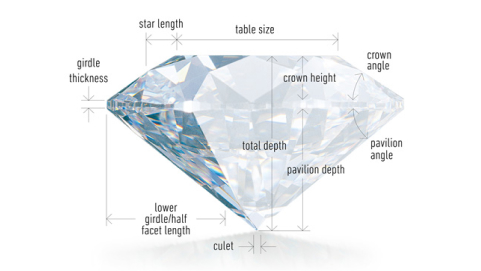
Cut is the most important factor impacting the beauty of a diamond. It is the personality of the gem and is the result of human touch. The proportions, symmetry and polish measure the interaction of the facets with the light.
Color
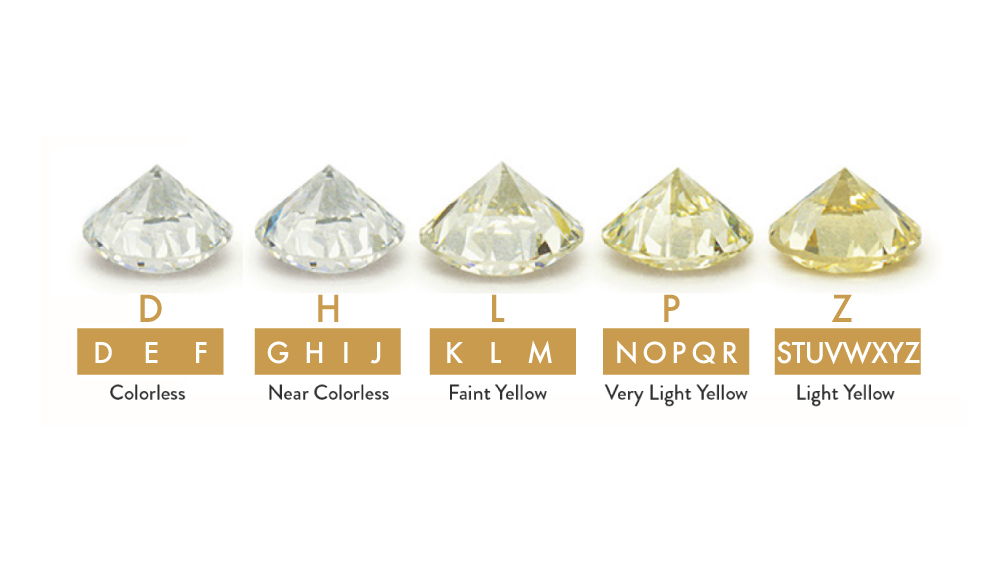
Color refers to the tone of the diamond’s body color. Your diamond will range from colorless to light yellow and is graded on a letter scale ranging from D through Z.
Clarity
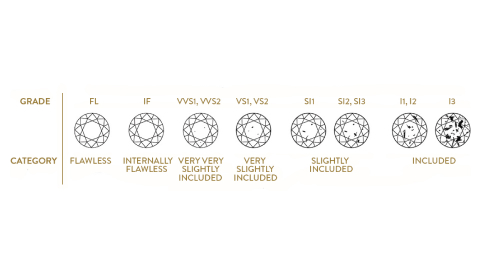
Diamonds are rated on the number, size, relief and position of inclusions and blemishes. Some inclusions may have become trapped while the diamond is formed underground. Clarity is rated on a scale from flawless to “included,” meaning they become more noticeable to the naked eye.
Carat
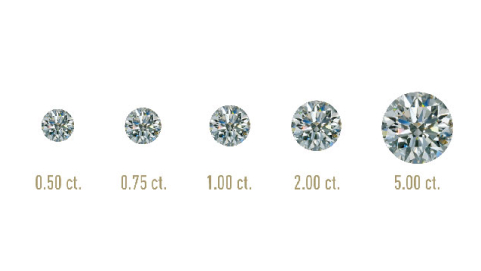
Diamonds are weighed in carats. It will not tell you how big a diamond appears to the eye; it is simply how much it weighs.
NATURAL VS LAb
Selecting the ideal diamond is a personal choice, and we aim to equip you with comprehensive information! Explore the essential distinctions between lab-grown diamonds and natural diamonds to empower yourself in making the best diamond purchase for your preferences. The primary distinctions between lab-grown diamonds and natural diamonds lie in their origins and the processes through which they are formed.
Natural Diamonds
Origin
Formed deep within the Earth’s mantle over millions or even billions of years, natural diamonds are the result of intense heat and pressure that cause carbon atoms to crystallize.
Formation Time
The formation of natural diamonds is an extremely lengthy process, taking millions to billions of years for diamonds to travel from deep within the Earth to the surface through volcanic activity.
Cost
Carry a premium, with factors such as rarity, size, and quality influencing their market value.
Lab Grown Diamonds
Origin
These diamonds are created in controlled environments, typically through High Pressure High Temperature (HPHT) or Chemical Vapor Deposition (CVD) methods. They are produced in laboratories using advanced technological processes.
Formation Time
They can be produced in a matter of weeks or months, depending on the chosen method and the desired size of the diamond.
Cost
Have a lower price point than natural diamonds.
Inclusions and Imperfections
Both, typically exhibit a wide range of inclusions and imperfections, known as “blemishes” or “birthmarks,” formed during the crystallization process.
Understanding these primary distinctions can help consumers make informed decisions based on their preferences, budget, and ethical considerations.